Propagation
Start with a layout suited to young plants and the available shelf height. Infinity XE linear fixtures support connected runs across propagation areas.
COMMERCIAL INDOOR CULTIVATION
From propagation to flowering, build a lighting plan that fits your crop strategy, room layout, and team.
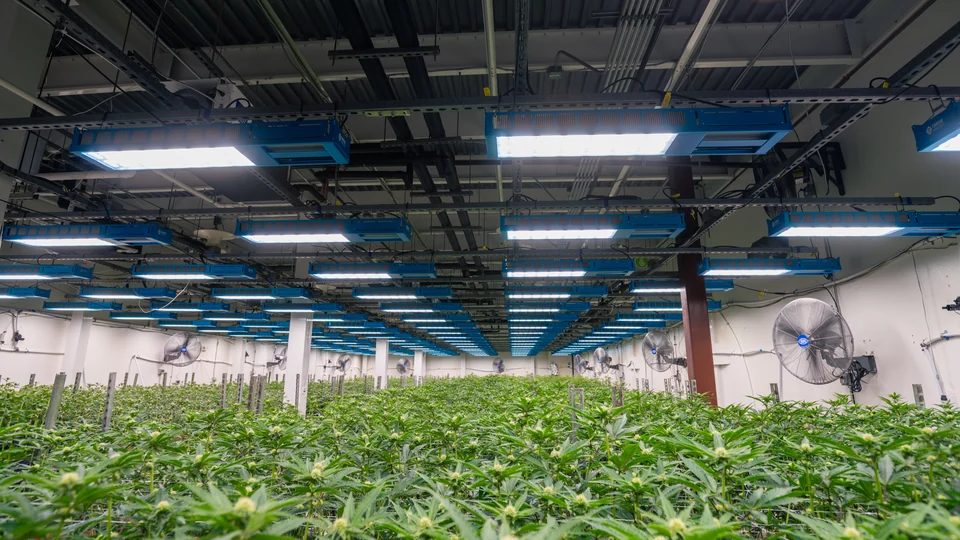
START WITH YOUR GROWING GOALS
Each growth stage needs different light, and each room has its own limits. Match intensity, distribution, and schedule to the stage, and leave space for your team to work.
Start with a layout suited to young plants and the available shelf height. Infinity XE linear fixtures support connected runs across propagation areas.
Evaluate Pinnacle LP for single-tier rooms and Strata HP for racks. Review the delivered light and canopy uniformity as plants grow.
Compare Altus 1K and Pinnacle options for top lighting. For multi-tier facilities, evaluate Strata HP alongside rack dimensions, airflow, and access.
LIGHTING OPTIONS
Use these as starting points. We’ll finalize output, mounting, spectrum, and controls in a lighting design for your room.
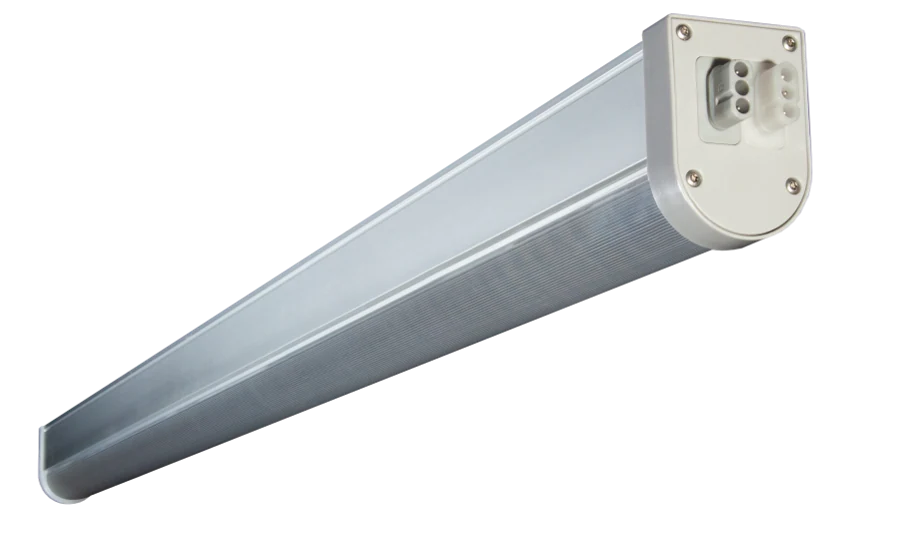
Propagation
Linear lighting for clones and propagation areas, linked in continuous runs that follow your layout.
Installation notes: Flush-mount brackets; end-to-end links or connection cables. Verify row length and electrical connection limits.
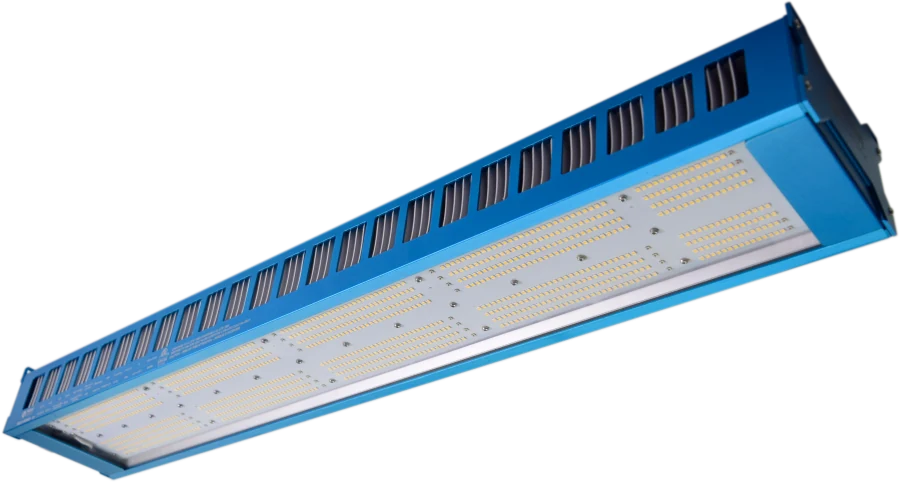
Vegetative-room top lighting
A lower-power Pinnacle option for vegetative rooms, with spacing set by the desired canopy intensity.
Installation notes: External driver. Review mounting height, spacing, and the voltage-specific configuration.
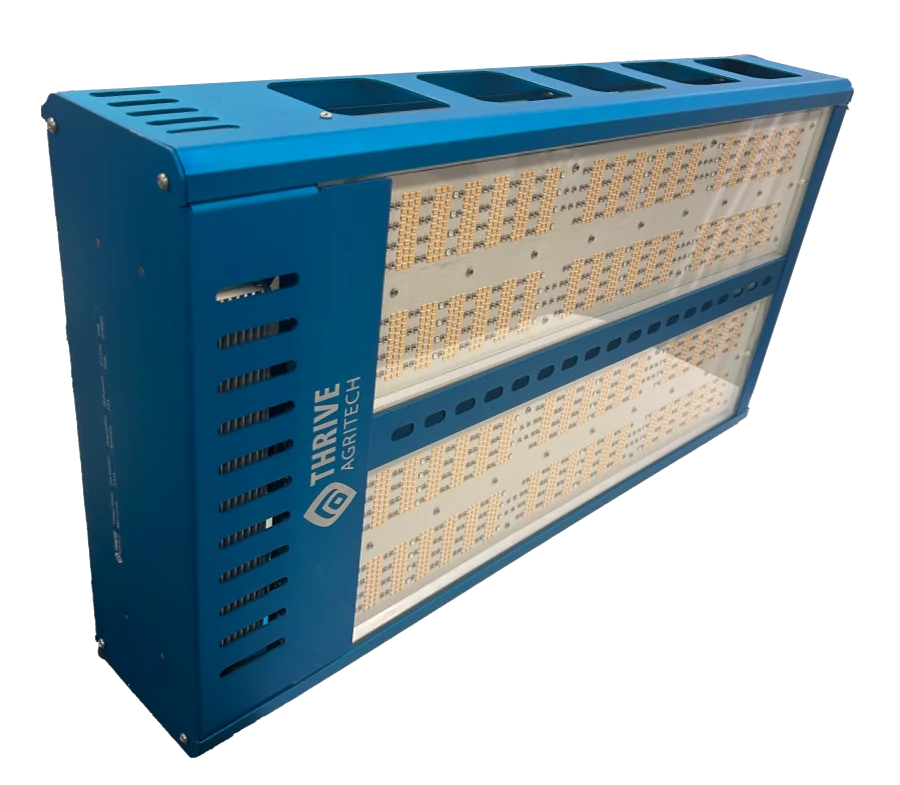
High-output top lighting
Top lighting for flowering rooms. Start with the required canopy intensity, then evaluate mounting height and spacing.
Installation notes: Integrated driver and hook mounting. Confirm supply voltage, dimming, mounting height, and circuit limits.
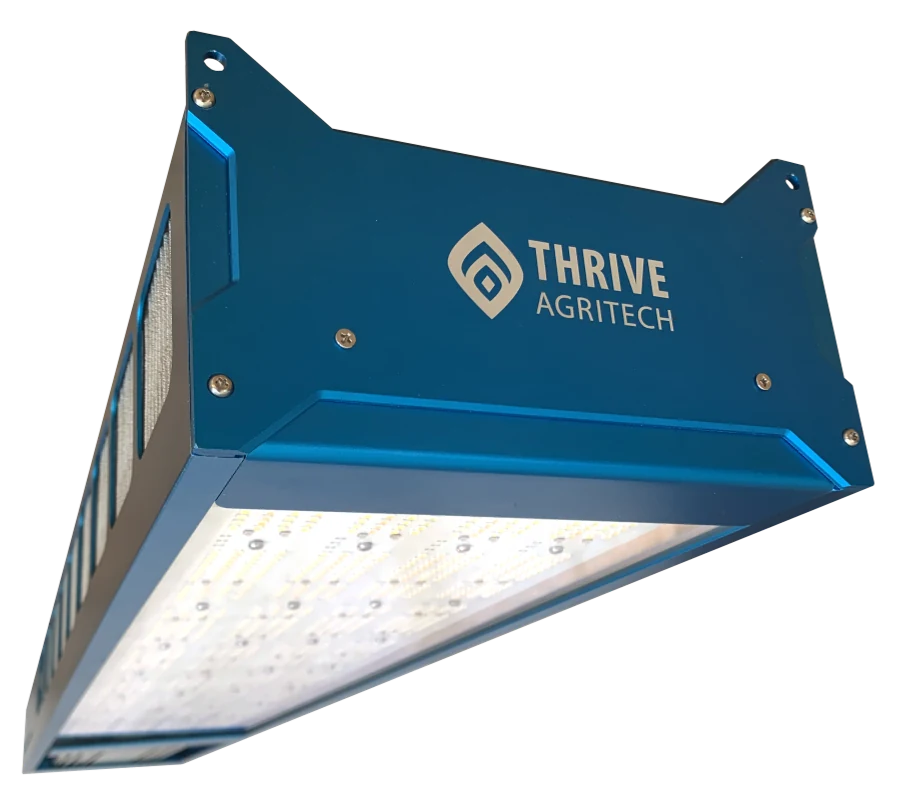
Flowering-room top lighting
A top-lighting option for commercial flowering rooms that need higher output at each mounting point.
Installation notes: Internal driver in the standard model. If you plan to use remote power, check the configuration with us.
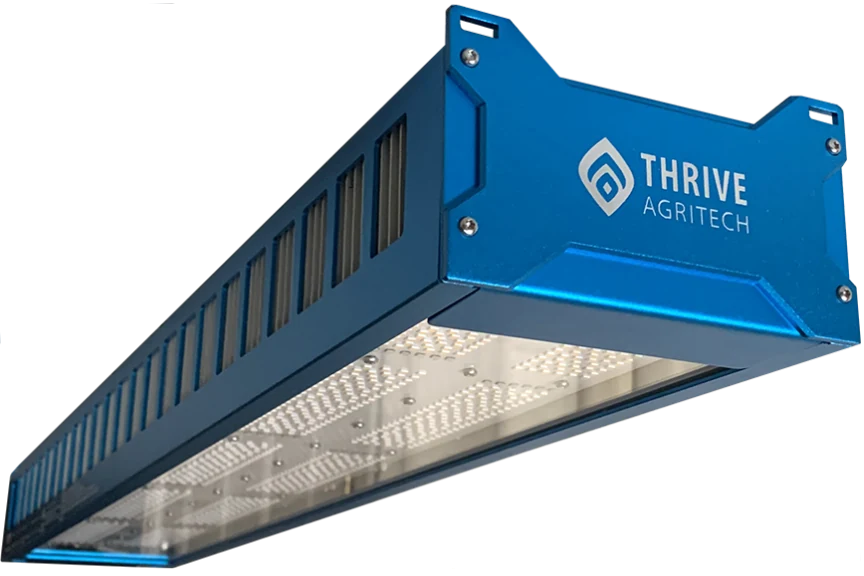
Flowering-room top lighting
A top-lighting option for indoor cannabis flowering rooms. Match output and spacing to your crop and room layout.
Installation notes: External driver. Plan fixture mounting and access to the power supply.
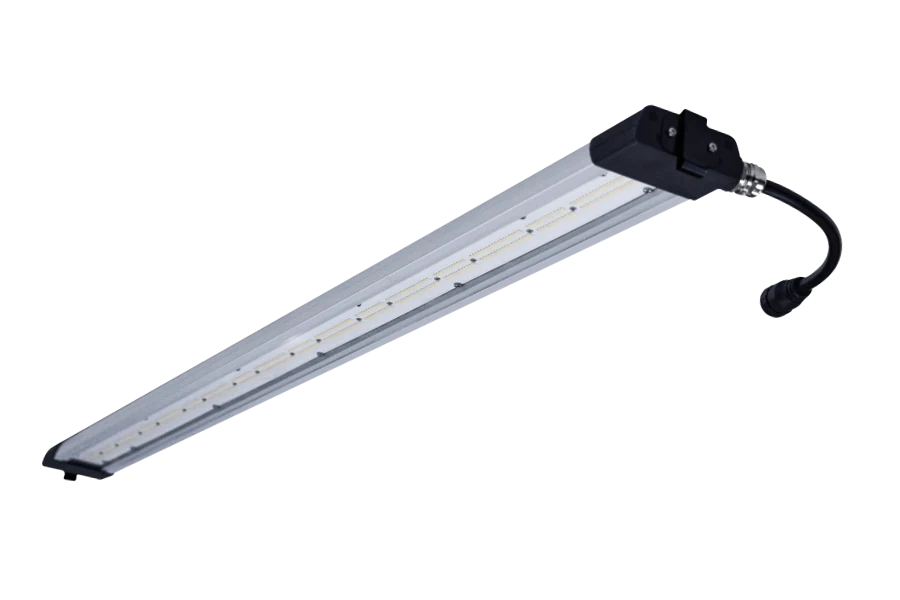
Multi-tier cannabis lighting
Modular bars for vegetative and flowering cannabis racks, including 4 × 8 ft layouts. Match bar placement and quantity to your rack dimensions.
Installation notes: External driver or compatible OptiDrive configuration. Confirm bar count and delivered light for each tier.
IN PRACTICE
Matt Rowe, Summit’s Director of Cultivation, discusses operating efficiency, cultivation skills, and how he evaluates lighting systems and vendors.
PLAN THE WHOLE SYSTEM
Light is one part of a grow room. Plan the systems and daily work together.
Talk to a Lighting ExpertDocument crop stages, expected canopy dimensions, intensity targets, photoperiods, and dimming needs. Validate the plan with your cultivation team.
Review light distribution at crop height, including edges and aisles. In racks, account for plant height, fixture depth, airflow, irrigation, and maintenance access.
Review electrical supply, controls, HVAC capacity, and driver service access. Check which fixtures in your layout are compatible with remote power.
A FEW PRACTICAL ANSWERS
Have a question about your facility?
Talk it through with Thrive.
Not necessarily. Propagation, vegetative growth, and flowering can require different intensity, mounting geometry, and schedules. Select each room’s fixtures based on its crop stage and physical constraints.
Start with usable clearance and the light distribution needed at crop height. Top-lighting fixtures and modular rack bars serve different geometries, so rated wattage alone is not a reliable comparison.
Under-canopy lighting can be added as a supplemental layer when your room’s layout and electrical capacity allow. Review placement, crop access, and environmental response, then compare a representative trial with your current production baseline.
That depends on the fixture and electrical system. Some configurations use integrated drivers; others use external or centralized remote power. Consider cable routing, where power supplies add heat, fixture compatibility, and safe service access as part of the design.
Room and rack dimensions, canopy areas, fixture mounting heights, crop stages, desired light levels, operating schedules, electrical supply, and any access or HVAC constraints are useful starting points.
KEEP EXPLORING
Review Boost XE, installation notes, and the ROI calculator.
GROWER’S JOURNALRead Thrive’s overview of commercial flower-room lighting.
DESIGN GUIDE · PDFExplore published layout examples, then develop a design for your own racks.
PRODUCTSSee fixture roles, rated power, and installation considerations together.
YOUR FACILITY. YOUR GOALS. OUR EXPERTISE.
Bring your room layout and cultivation goals. We’ll help you pick products that fit how your facility runs.