Reach the lower canopy
Position supplemental fixtures to illuminate lower leaves and flower sites.
COMMERCIAL CANNABIS LIGHTING
Bring supplemental light to lower leaves and flower sites. Explore Boost XE and estimate the potential costs and returns for your facility.
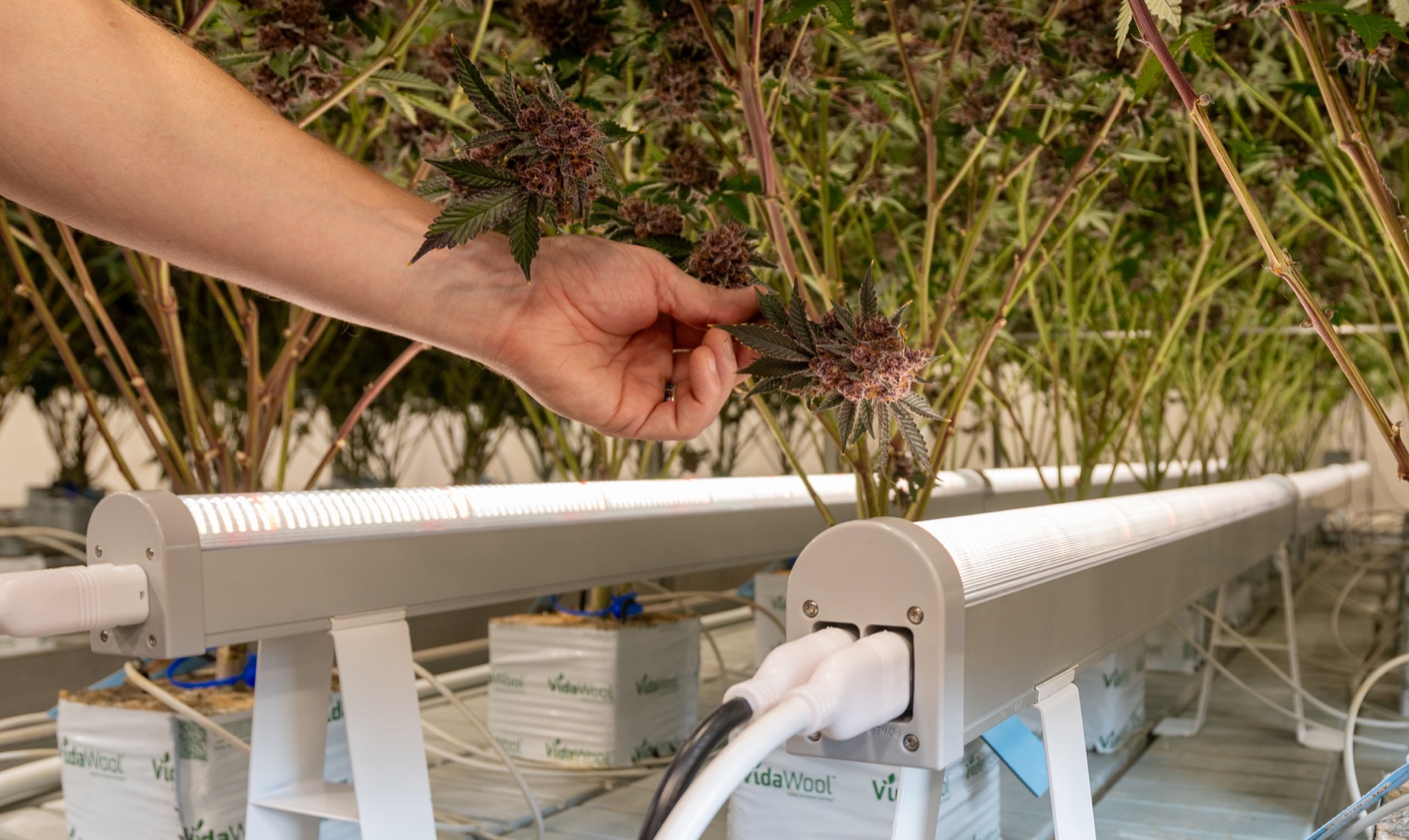
A DIFFERENT ANGLE ON YOUR CANOPY
As the canopy fills in, lower leaves and flower sites can receive less light. Under-canopy lighting puts supplemental light directly in this part of the plant. Trial the layout and compare crop response with your current setup.
Position supplemental fixtures to illuminate lower leaves and flower sites.
Consider yield and flower quality together. Compare a trial against your own baseline before planning a wider rollout.
Weigh potential crop value against fixture cost, installation, electricity, and the demands of your room.
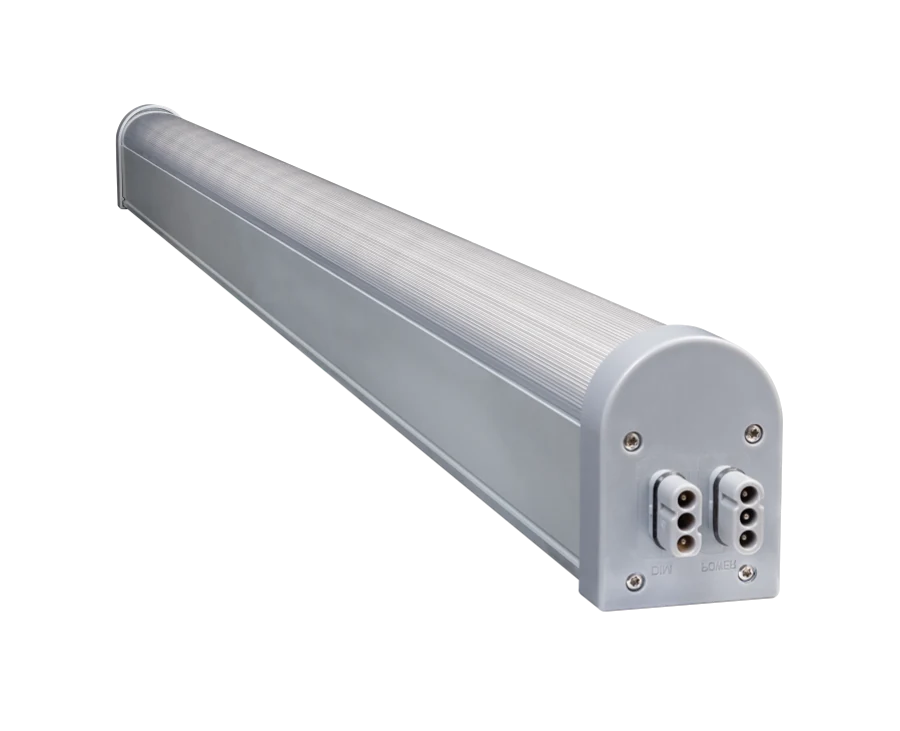 BOOST XE Supplemental LED lighting
MEET YOUR LOWER-CANOPY LIGHT
A compact linear fixture that lights the lower canopy. Connect fixtures along your rows and adjust output to suit your growing strategy.
FROM THE GROW ROOM
See Thrive lighting in use at Summit, including Pinnacle HP top lighting and Boost under-canopy fixtures. Talk with our team about a layout for your own facility.
Watch the Summit interview on YouTubePUT YOUR ASSUMPTIONS TO WORK
Model potential yield gains, crop value, and project costs with your own inputs. Compare conservative and optimistic scenarios before deciding what to trial.
Open calculator in a new tab (opens in a new tab)These are planning estimates and aren’t guaranteed. The calculator assumes no improvement in harvest grade mix by default and leaves out added HVAC, nutrient, and labor costs. Review those costs as part of your project budget.
FROM IDEA TO INSTALLATION
Plan fixture placement around the crop, available power, and the daily work in your room.
Talk to a Lighting ExpertBring your canopy dimensions, current yields, crop value, and cultivation schedule. A representative trial gives you a useful basis for comparison.
Review placement, dimming, electrical capacity, irrigation access, and day-to-day work around the crop. Fixture count comes from the layout. Floor area alone won’t give you the number.
Additional lighting adds electrical load. Review HVAC capacity and monitor crop response, irrigation demand, and environmental conditions as you adjust your approach.
A FEW PRACTICAL ANSWERS
Have a question about your facility?
Talk it through with Thrive.
Under-canopy lighting places supplemental fixtures below the plant canopy to illuminate lower leaves and flower sites. It complements overhead lighting and should be planned around the crop, room layout, and cultivation strategy.
No. It adds light beneath the canopy and works alongside your overhead fixtures. Review the combined light distribution and operating schedule with a lighting designer.
Use your own trial results when available, and compare several scenarios, including no yield increase. You can edit the assumed yield increase in the calculator. Results aren’t guaranteed, and the starting scenario assumes no improvement in harvest grade mix.
Possibly. More light can increase the crop’s water and nutrient demand, and the fixtures add heat to the room. Monitor crop response and review irrigation, fertigation, and HVAC capacity with your cultivation and facilities teams. The calculator does not include added HVAC, nutrient, or labor costs.
The calculator uses editable coverage assumptions for early planning. Final quantity and spacing depend on canopy geometry, fixture placement, access, light distribution, and electrical limits. Thrive can help develop a layout for your specific room.
Neither. It is a planning estimate based on the assumptions you enter. Yield, quality mix, price, installation, rebates, and operating costs can materially change the outcome. Review the assumptions with Thrive before making a purchase decision.
KEEP EXPLORING
YOUR ROOM. YOUR GOALS. OUR EXPERTISE.
Bring your questions, your layout, or your calculator results. We’ll help you figure out the next practical step.