Climate Control in Vertical Farming
Part 1
Optimizing climate conditions in a cultivation environment is a crucial part of growing high-quality and high-yielding crops. However, it is also an extremely challenging task, as scaling up R&D results into a multi-layer, highly packed climate zone is not easy. A grower highlights the importance of understanding and quantifying the impact of a crop on the climate and taking it into account during the design stage. Failure to do so can lead to challenges with crop quality and yield.
One of the crucial factors to consider when optimizing climate conditions is humidity. Maintaining the right temperature and humidity levels in a grow room is essential to avoid disasters and promote higher yields and better quality. However, temperature and humidity interact with each other, increasing the challenge of doing load calculations. Warmer air can hold more moisture than colder air, potentially causing the plant to transpire more. Thus, removing moisture from warmer air is easier than removing it from colder air.
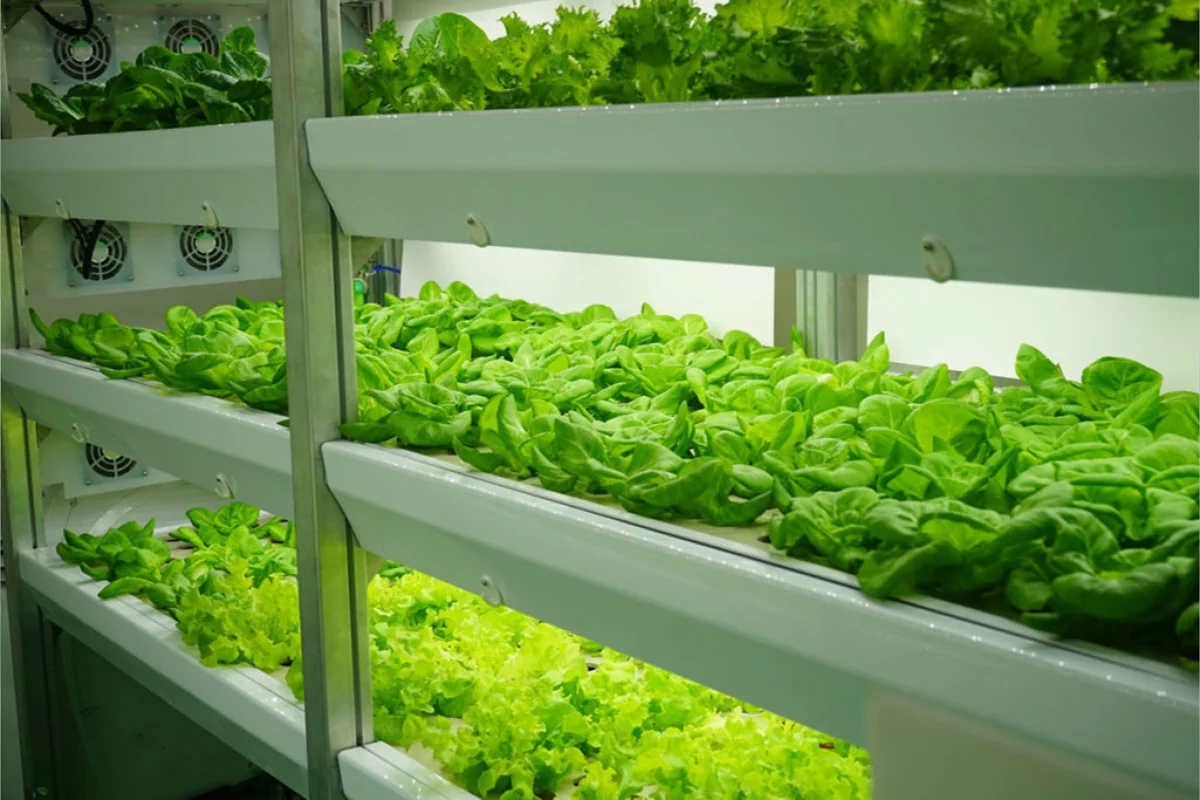
Designing a vertical farm to control humidity is crucial. In the past, companies did not consider the latent heat that plants give off, resulting in under-dimensioning of equipment and equipment stress. Nowadays, companies are more aware of this and are designing vertical farms with lower volumes per layer to control temperature and humidity better.
Vapor pressure deficit (VPD) is also an essential factor to consider when growing crops. VPD quantifies the vapor pressure of the leaf itself, which is essential in determining the strength of the pulling force for water from the leaves. Monitoring leaf temperature is crucial in optimizing VPD. The grower is excited about the prospect of monitoring VPD real-time and continuously optimizing it rather than setting a static temperature and relative humidity.
In conclusion, optimizing climate conditions in a cultivation environment is a complex task that requires a deep understanding of the interaction between temperature, humidity, and airflow. Designing a vertical farm that considers the impact of plants on the climate and monitors VPD in real-time is key to growing high-quality and high-yielding crops.
Part 2
Indoor farming or controlled environment agriculture (CEA) involves growing crops in a highly controlled environment, often in a warehouse or greenhouse. While this allows for year-round production and efficient use of resources, it also poses unique challenges, particularly when it comes to mechanical design and load calculations.
One of the challenges is achieving optimal airflow for the plant canopy, which may not be the same as the optimal airflow for temperature and humidity control. This requires careful consideration of airflow distribution and volume in the space. The design stage is crucial for deciding whether to combine air handling and airflow or to have separate systems for each.
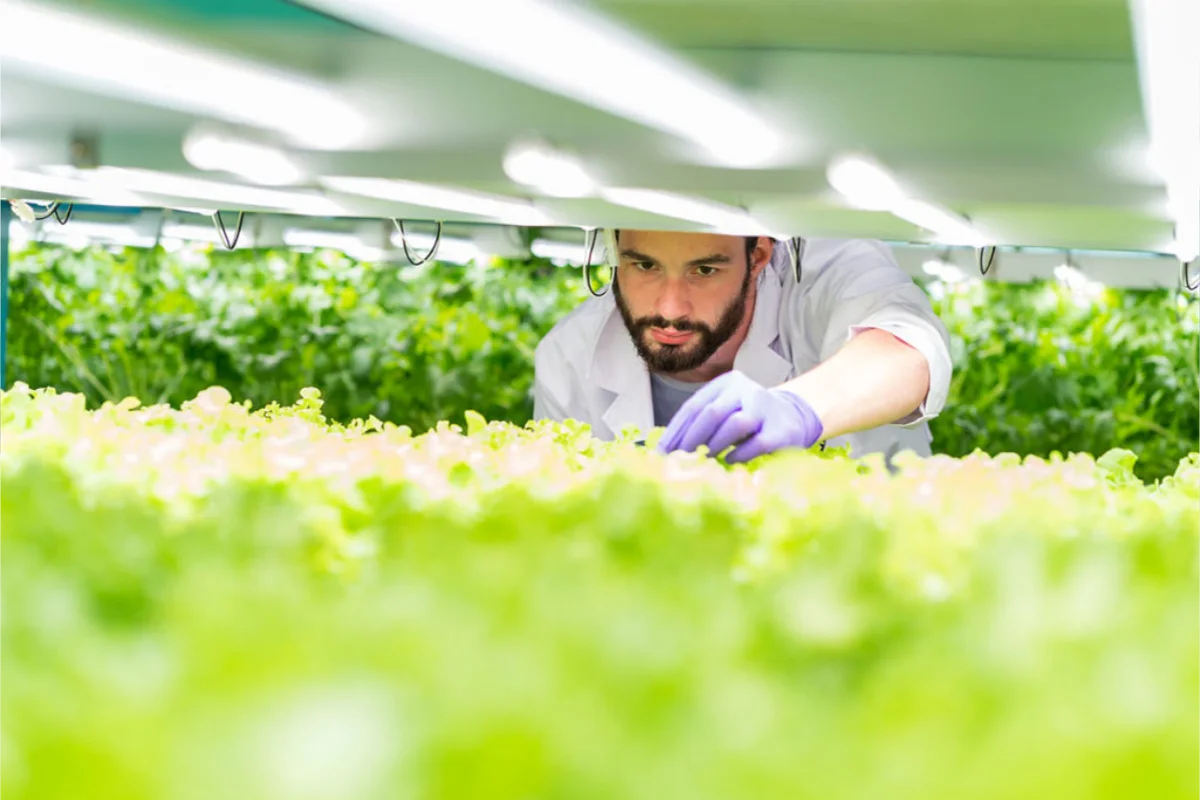
CFD analysis, which identifies airflow patterns, is an important tool in mechanical HVAC design. Another important consideration is the distinction between the supply air from the air handlers and the actual airflow over the crop. The supply airflow may not provide enough air movement over the plants alone, requiring additional air circulation for plant movement.
Controlling vapor pressure deficit (VPD) is another critical consideration in CEA. Implementing the ability for clients to select a VPD set point and either temperature or humidity can allow for control over a variety of variables.
When it comes to load calculations, lighting is often the driving force for determining the minimal amount of cooling capacity needed. However, there are other loads to consider, such as fans and insulation. Measuring data is crucial for estimating parameters such as moisture going into the air, as these rates are not constant and change over the growth cycle and diurnally.
Precision in calculations depends on the cultivators’ granular knowledge of transpiration rates and irrigation strategies. This knowledge can help with sizing systems that can hit maximum and minimum loads and modulate between them. To steer transpiration, it is crucial to measure not just the conditions around the plant but also how the plant is reacting to them.
Overall, designing and maintaining a mechanical system for CEA requires careful consideration of many variables, and incorporating the latest technology and knowledge can help achieve optimal results.
Part 3
Indoor cultivation poses a unique set of challenges that differ from those faced in outdoor cultivation. Managing the transpiration rate of plants is one of the most significant challenges. In outdoor settings, transpiration cools down crops and transports nutrients from roots to growing parts of the plant. However, in indoor settings, the cooling function of transpiration is less important, and the primary function becomes the transportation of nutrients. One of the crucial indicators of success in indoor cultivation is leaf temperature, which tells growers whether the plant is transpiring and whether the climate is allowing it to cool itself down.
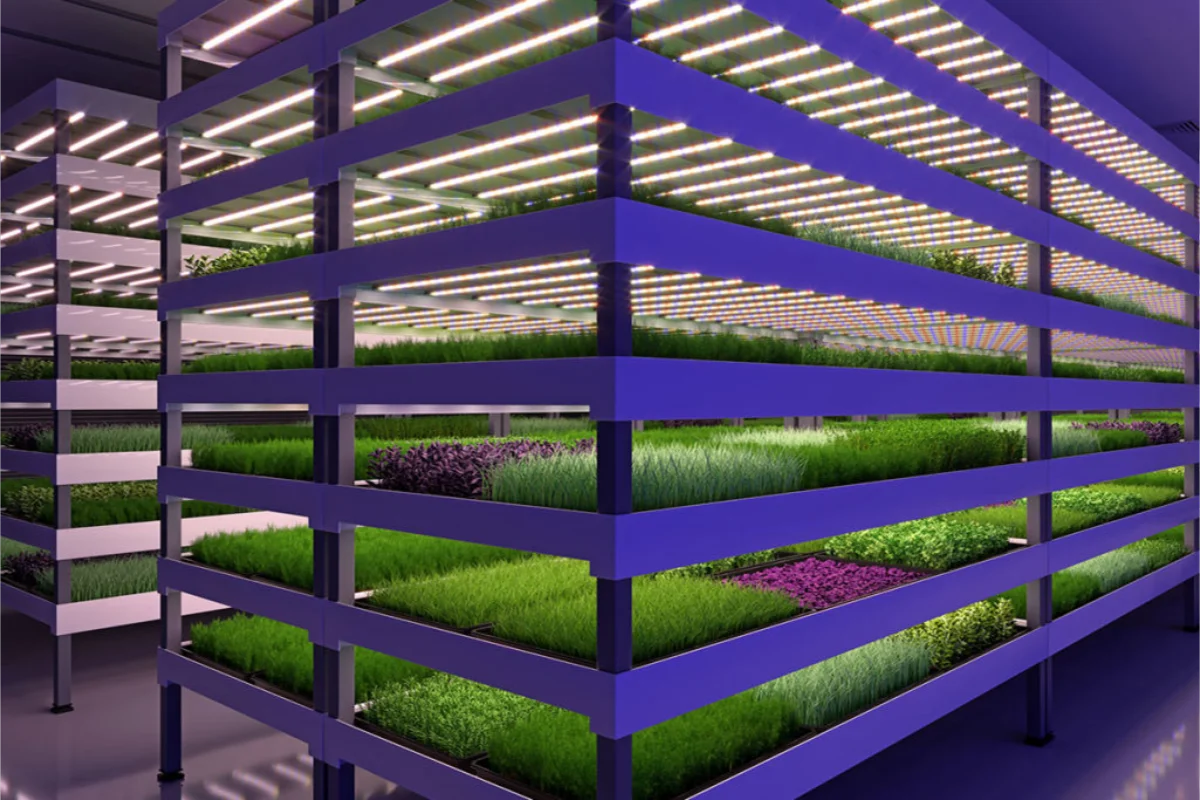
Water management is another crucial aspect of indoor cultivation. By minimizing transpiration while maximizing output, growers can minimize the energy associated with dehumidification and recirculate water. However, mistakes can occur during the design and installation of cultivation facilities. Common mistakes include under dimensioned dehumidification, cooling equipment that can’t achieve desired temperatures, ill-calibrated sensors, and poor airflow design. Growers should prioritize regular maintenance and cleaning to ensure their equipment is operating correctly.
For those looking to repurpose an existing facility, ventilation may be a relatively inexpensive addition to the space. Recapturing heat from the condenser of a cooling system to use as reheat for dehumidification is also recommended. Heat recovery chillers or water-cooled chillers can give off heat from their condenser side, which can be reused.
Overall, managing indoor cultivation is a complex process that requires careful consideration of the unique challenges presented by indoor environments. Growers must prioritize water management, maintaining proper humidity and temperature levels, and ensuring that all equipment is calibrated and functioning correctly. By taking these steps, growers can optimize their yields and ensure the success of their indoor cultivation operation.
Part 4
Indoor agriculture is gaining popularity as an efficient way to grow crops in a controlled environment. However, designing and operating these systems can be challenging, especially when it comes to managing temperature, humidity, and CO2 levels.
When it comes to managing temperature in excessively cold climates, experts suggest using chilled water systems with heat recovery. This is because direct expansion cooling systems may have more limitations on low-temperature operation. Furthermore, reusing latent heat in any hot gas reheat system or heat recovery system to a certain extent can help maintain a steady temperature.
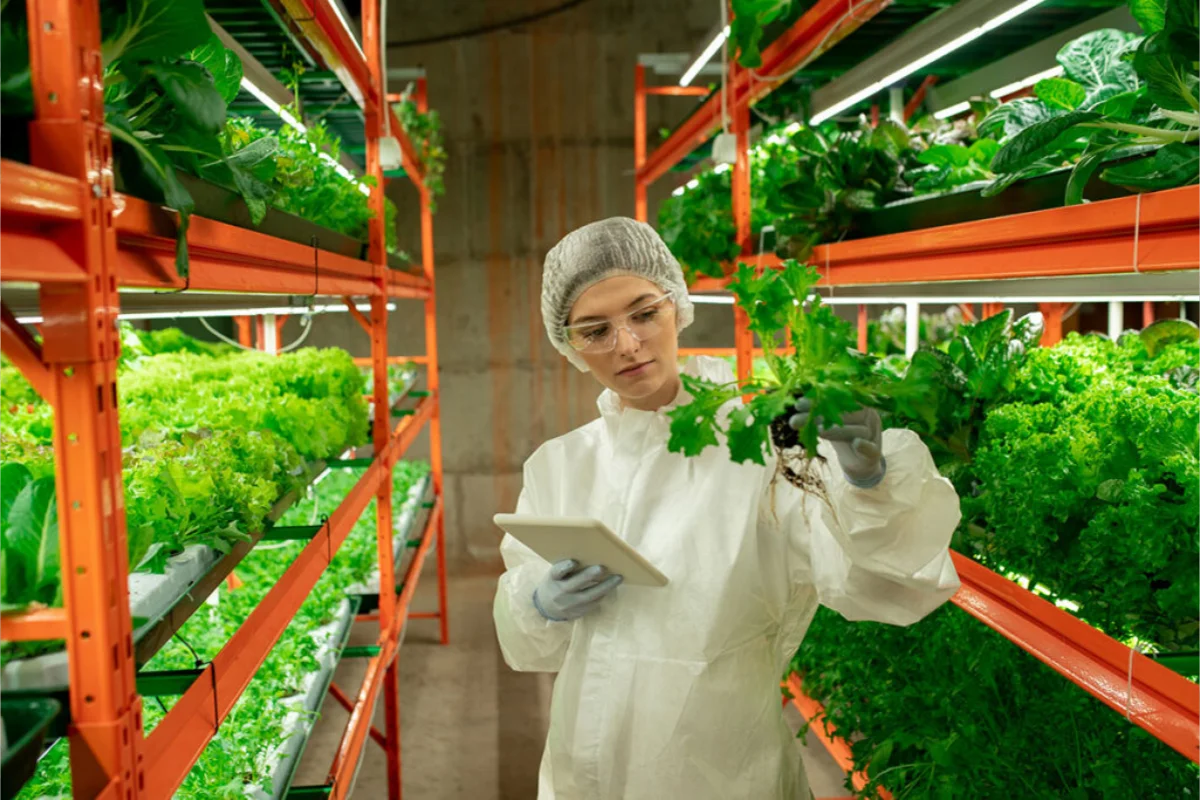
Another important consideration is managing the leaf surface temperature of the plants. The best way to control the leaf surface temperature is by controlling vapor pressure deficit (VPD) and airflow. A delta of two degrees Celsius is generally regarded as a grower’s objective, but it’s essential to stress that it depends on the technical design and will require experience.
The optimal levels of CO2 in the indoor environment is an important consideration. During lights off, no CO2 needs to be added as ambient levels are desirable. However, during lights on, adding CO2 enhances the photosynthesis rate. Increasing CO2 levels from ambient (400+) to a maximum of 1200 PPM can result in a large increase in photosynthesis rates. However, the optimal level depends on the facility design and the loss of CO2.
When it comes to managing humidity levels, looking at the options available and pricing them out can help find the best fit for the facility. Dehumidification can be achieved via standalone dehumidifiers, chilled water/hot water, or desiccants. Desiccants are necessary when shooting for a dew point below about 50 degrees Fahrenheit.
In conclusion, designing and operating indoor agriculture systems can be complex, but considering factors such as temperature, humidity, and CO2 levels can help ensure optimal crop growth. Consulting with experts and continuously monitoring and optimizing the system can also help achieve success.